MS Australia’s latest $2.8m research grant round addresses a long-standing gap in multiple sclerosis (MS) genetics and projects that slow progression, manage
MS Australia’s latest $2.8m research grant round addresses a long-standing gap in multiple sclerosis (MS) genetics and projects that slow progression, manage symptoms and improve quality of life.
MS is an immune-mediated condition in which the body mistakenly attacks the brain and spinal cord, damaging myelin, the protective coating around nerve fibres. MS can affect mobility, vision, cognition and energy levels.
In 2025, more than 37,700 Australians are living with MS, a 77.4 per cent increase since 2010. The total economic burden of the disease reached $3b in 2024.
As the number of Australians living with MS continues to rise, accelerating research across the full spectrum of the disease is increasingly urgent.
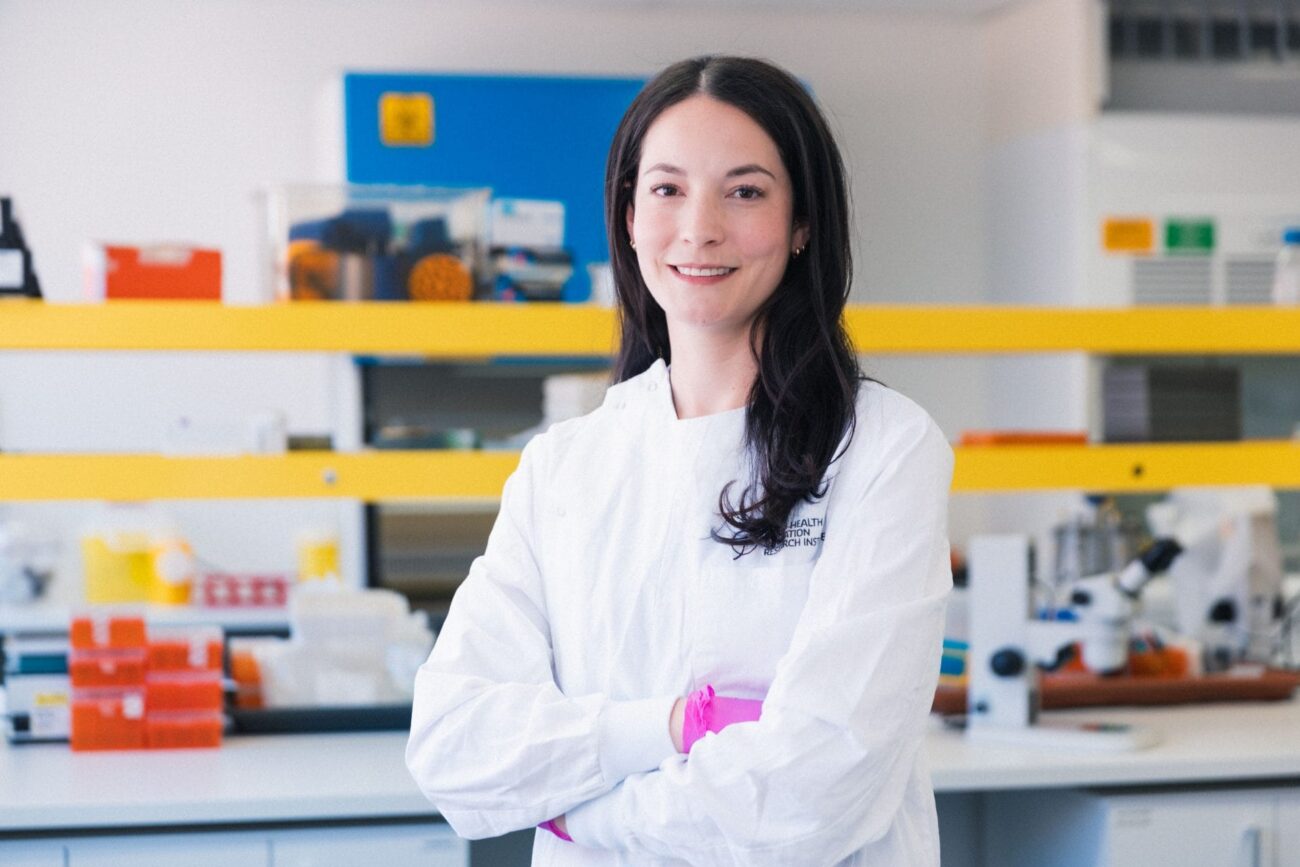
One of the featured projects highlighted in the announcement is led by Dr Brittney Lins, a Postdoctoral Fellow at Curtin University and Perron Institute.
Dr Lins is exploring whether disrupted copper levels in the brain may connect major MS risk factors, including Epstein-Barr virus infection, vitamin D deficiency and gut health. The project will examine whether copper imbalance contributes to myelin damage, with the aim of identifying new prevention and treatment strategies.
“Copper is a trace nutrient that we get through food, and though it is present in very low levels in the body, it plays a critical role in energy utilisation and antioxidant defences.
“If copper use is disrupted, myelin may be more vulnerable to inflammation and autoimmunity. I think copper could be the missing link that ties together multiple MS risk factors,” Dr Lins said.
Dr Rebekah Puls, Head of Research at Perron Institute, said “Dr Lins has been awarded a prestigious fellowship to pursue an exciting preclinical project. Recent advances now make it possible to image copper levels in the brain with cutting-edge synchrotron microscopy, opening the door to discoveries that were previously out of reach.”
“Determining whether copper imbalance sits at the core of MS susceptibility has the potential to pave the way for new strategies in prevention and treatment.”
Project collaborators are Associate Professor Mark Hackett, Curtin University, and from the Curtin University and Perron Institute Neurotrauma Research group: Professor Lindy Fitzgerald, Dr Sarah Hellewell and Dr Chidozie Anyaegbu.
Over more than two decades, MS Australia has invested more than $60m in MS research.
CEO Rohan Greenland said sustained national investment in research is essential to delivering real progress for people living with MS.
“Research is hope, and it reminds people living with MS that progress is possible, and that better treatments and prevention are within reach.”
“None of this would be possible without the passion and commitment of our state and territory Member Organisations, our donors and the broader MS community. Together, we are accelerating the discoveries that will bring us closer to a world without MS,” Mr Greenland said.
The research grants will be formally launched at Parliament House in Canberra on 4 March at MS Australia’s Advancing MS Research in Australia event, with speakers including Dr Monique Ryan MP and Ms Renee Coffey MP, highlighting the importance of sustained national commitment to MS research.