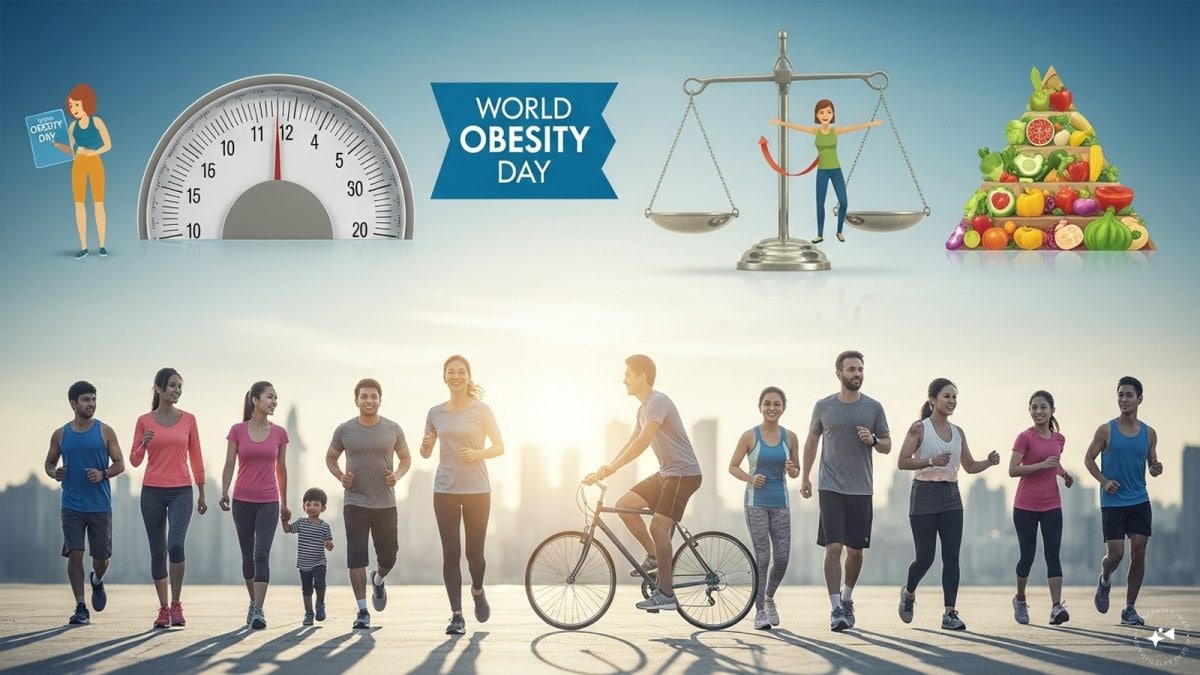
World Obesity Day 2026: Know its history, theme, health risks, prevention tips and why tackling obesity is a global priority, as per WHO data on news18.com.
World Obesity Day 2026: Theme, History, Risks And Prevention Tips
World Obesity Day 2026 Theme, Pooling knowledge, taking joint action, stresses the importance of shared research, global cooperation and community-level initiatives.
World Obesity Day is marked annually on March 4 with the purpose of improving people’s understanding of obesity, dispelling myths and stigmas, and raising awareness about this medical problem.
Obesity, according to the World Health Organisation, is a significant risk factor for a variety of noncommunicable diseases (NCDs), including type 2 diabetes, cardiovascular disease, hypertension, stroke, and cancer.
World Obesity Day: History, significance
World Obesity Day was first observed in 2015. This day is organised annually by the World Obesity Federation, a non-profit organisation that collaborates closely with WHO and the Lancet Commission on Obesity.
The international organisation designated a day to raise awareness about the consequences of obesity and how it must be tackled at the local, national, and global levels to eradicate the problem.
World Obesity Day emphasises the economic, social, and environmental issues that contribute to obesity. This effort intends to: Encourage structural improvements to public health policies and community practices. Reduce the stigma associated with obesity by changing the emphasis from individual responsibility to collaborative action. Encourage collaboration between healthcare experts, lawmakers, and community groups to improve access to nutritious food and physical activity.
World Obesity Day: Theme
The theme this year is- Pooling knowledge, taking joint action. Obesity is currently a serious global public health concern, with over a billion obese people and the prevalence rising in practically every country.
This joint collection brings together critical research resources, recent publications, advocacy materials, and country stories from members of the Global Coordination Mechanism on NCDs and WHO, with a particular emphasis on childhood obesity.
Health Risks Linked to Obesity
Excess body fat significantly increases the risk of:
Cardiovascular diseases (heart disease and stroke)
Type 2 diabetes
Hypertension
Osteoarthritis and musculoskeletal disorders
Certain cancers, including breast, endometrial and colon cancer
Obesity also impacts mental health, quality of life and healthcare systems globally.
Prevention and Lifestyle Tips
Health experts emphasise that overweight and obesity are largely preventable with sustainable lifestyle changes. Key recommendations include:
Maintaining energy balance between calories consumed and expended
Reducing intake of saturated fats and replacing them with unsaturated fats
Eating more fruits, vegetables, legumes, whole grains and nuts
Limiting sugar and ultra-processed foods
Engaging in regular physical activity (at least 150 minutes of moderate exercise per week for adults, as per WHO guidance)
Ensuring adequate sleep and stress management
Addressing obesity requires both personal commitment and systemic changes that make healthy choices accessible and affordable.